Few places in Peru are as moving as the Campo Santo de Yungay. Surrounded by gardens, with Huascarán in the background, it’s a memorial to the town that disappeared in 1970. Visiting is a calm, emotional experience and key to understanding the history of the Callejón de Huaylas.
In this guide we cover the history of the Campo Santo de Yungay, what you can see, how to get there from Mancos and some tips to make your visit, alone or with family, respectful and meaningful.
The history: May 31, 1970
On May 31, 1970, a powerful earthquake struck the Áncash region. The shaking broke loose a huge mass of ice and rock from Huascarán, which rushed down the valley and buried the town of Yungay within minutes.
The disaster took thousands of lives and changed the region forever. Today, the site of the old town is a cemetery and memorial park. The new Yungay was rebuilt a short distance away.
That’s why the Campo Santo is more than a tourist attraction: it’s a place of remembrance for many families. Visiting with respect is part of the experience.
What to see
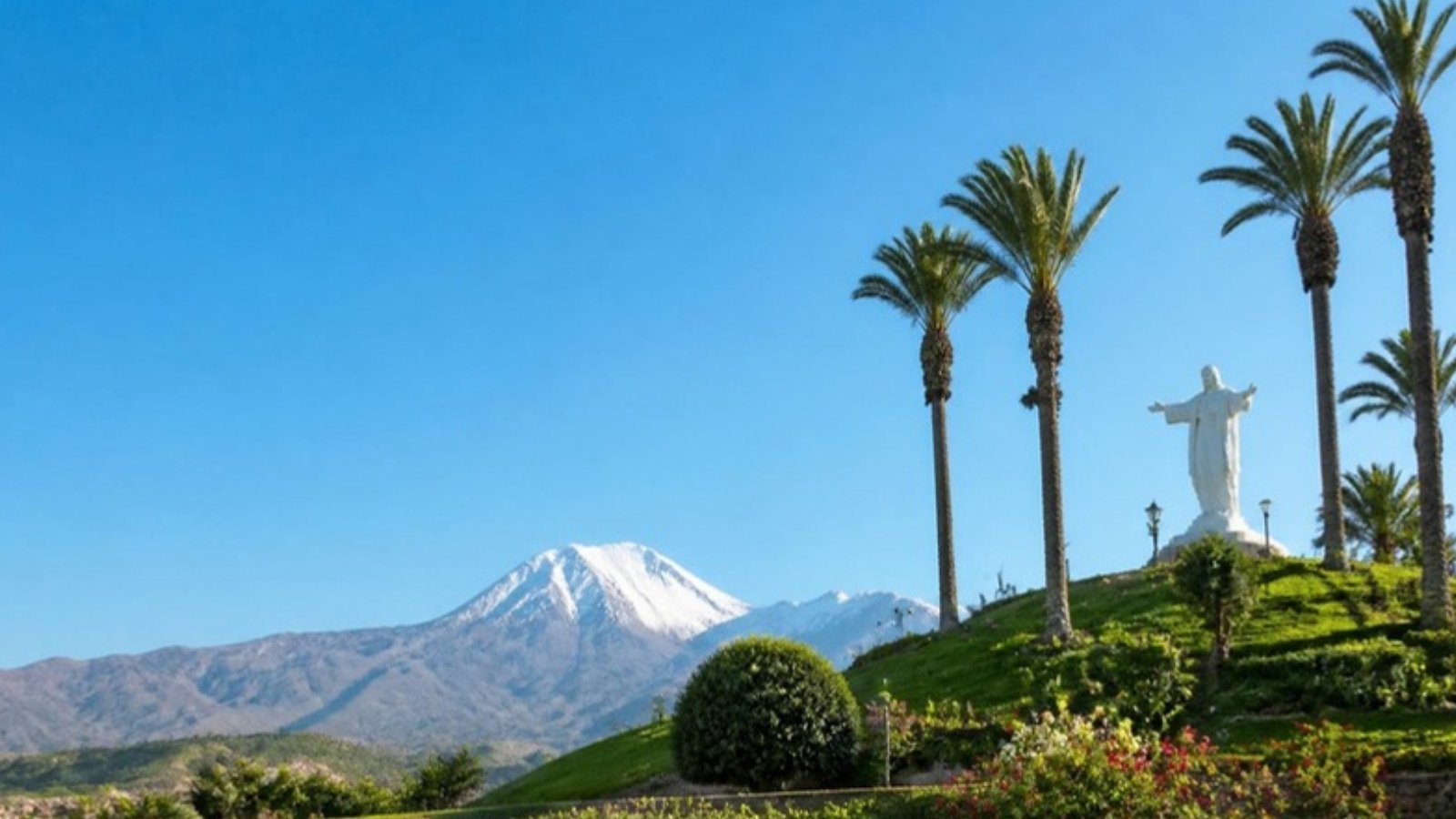
The palm trees of the old main square
A few palm trees from the old Plaza de Armas are still standing. They’re one of the site’s best-known symbols and help you picture where the town center used to be.
Remains of the old church
Parts of the church façade remain, giving a sense of the scale of what happened.
The Christ statue
At the top of the old cemetery stands a statue of Christ. From there you get one of the best views of the site and the mountains.
Gardens and monuments
The site is covered with gardens and monuments in memory of the victims. It’s a quiet place, best explored slowly.
Views of Huascarán
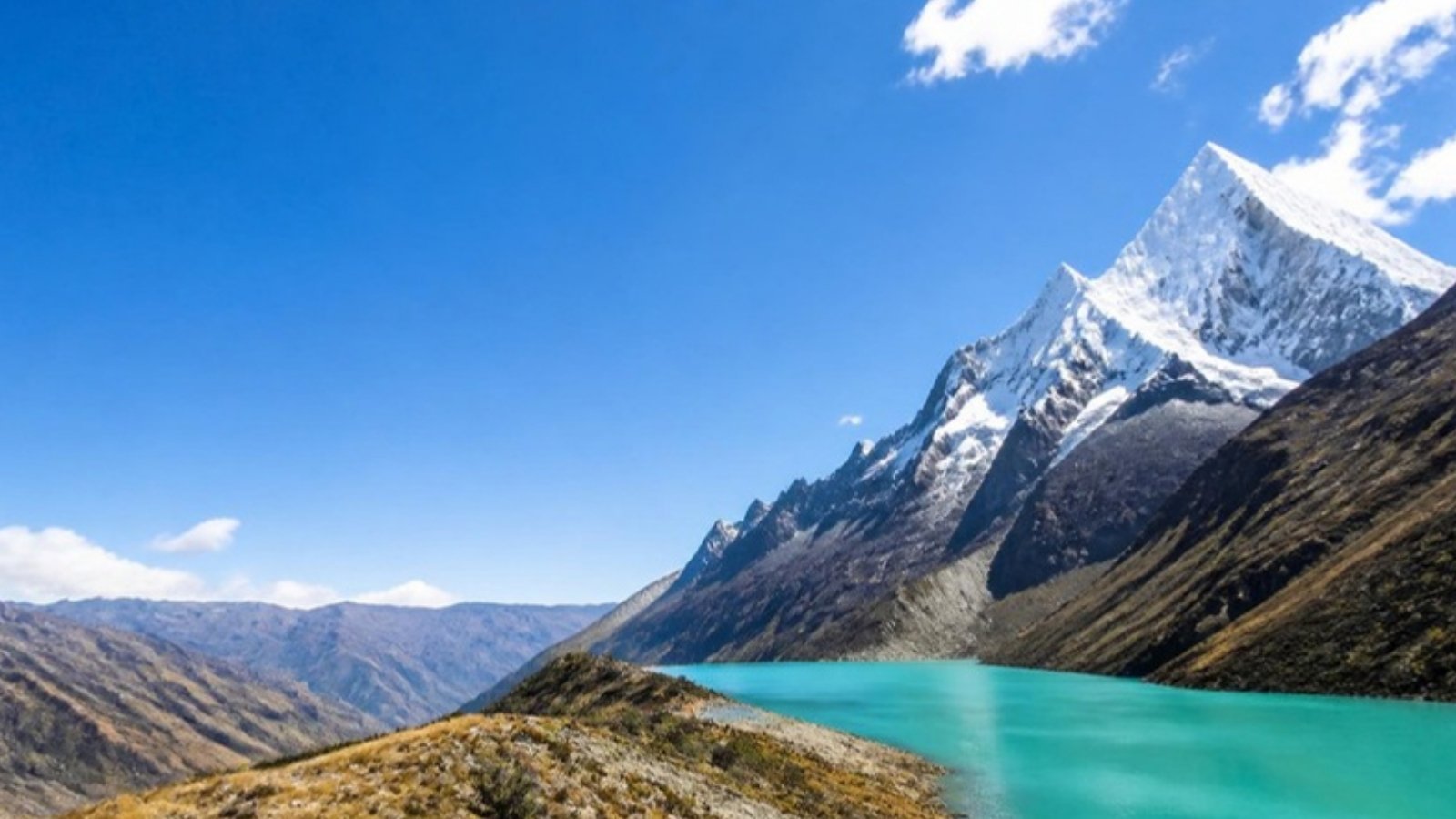
On clear days, Peru’s highest mountain looks imposing, especially once you know the story of this place.
How to get there from Mancos
The Campo Santo is very close to Mancos, just a few minutes by car along the road between Huaraz and Caraz. You can also take a shared van toward Yungay and ask to be dropped off at the entrance.
Because it’s so close, it’s an ideal visit for your first afternoon while you’re still adjusting to the altitude.
Tips for your visit
- Be respectful: it’s a memorial. Keep your voice down and don’t climb on monuments or graves.
- Allow time: one to two hours is enough to explore calmly.
- Go in the morning or late afternoon: softer light and better chances of seeing the peak.
- Bring a jacket and sunscreen: the sun is strong and the wind can be cold.
- Wear comfortable shoes: there are paths and some stairs.
- Check opening hours and fees: they may change with the season.
Talking about this place with kids
- Explain simply that a natural disaster happened many years ago and that this place helps people remember.
- Focus on how the community recovered and built a new town.
- Invite them to walk quietly and observe the gardens and the mountain.
What else to do nearby
- New Yungay: the rebuilt town, with its square and market.
- Llanganuco Lakes: the road starts in Yungay and climbs into Huascarán National Park.
- Mancos: a peaceful town at the foot of Huascarán, perfect for resting.
- Caraz: further north, famous for its sweets.
FAQ
What happened in Yungay in 1970?
An earthquake caused ice and rock to break off Huascarán, burying the town of Yungay. Today the site is a cemetery and memorial.
How long does a visit take?
One to two hours to walk around calmly.
Is it appropriate to visit with children?
Yes, with an age-appropriate explanation. It’s a calm place full of gardens.
Is it close to Mancos?
Yes, just a few minutes by car.
Is there an entrance fee?
There may be a small fee. Ask on site, as prices and hours can change.
Conclusion
The Campo Santo de Yungay is a must in the Callejón de Huaylas. More than a sight, it’s a place to remember, reflect and appreciate the power of nature and the resilience of its people.
Want to explore Yungay at your own pace? Alex’s House, our country house in Mancos, is minutes from the Campo Santo and the road to Llanganuco. A peaceful place for families to rest after each day out.
The Alex’s House team