Category: Sin categoría

  • Traveling to the Peruvian Andes with kids: altitude, packing list and tips

    Traveling to the Peruvian Andes with kids: altitude, packing list and tips

    Traveling with kids to the Andes of Áncash, Peru, is an unforgettable adventure: snowcapped mountains, farm animals, lakes and plenty of space to play. But it takes a bit more planning than a beach trip, mainly because of altitude, weather and distances.

    In this guide we share tips for traveling to the Peruvian Andes with kids: how to help them adjust to the altitude, what to pack, how to plan your days and which activities children enjoy most.

    This article is for general information. If your child or anyone in your family has a health condition, check with their doctor before traveling.

    Altitude: the most important thing to plan for

    The Callejón de Huaylas sits above 2,000 meters (6,500 ft). Mancos and Yungay are around 2,500 meters (8,200 ft), while Huaraz and the lakes of Huascarán National Park are higher.

    At that altitude there’s less oxygen, and the body needs a few days to adjust. Some people feel tired, get headaches, lose their appetite or sleep poorly during the first days.

    How to help kids adjust

    • Easy first day: no long walks or steep climbs.
    • Hydration: have them drink water often, even if they don’t ask.
    • Light meals: especially at night.
    • Rest: keep naps and bedtimes.
    • Go up gradually: start with lower places and leave higher areas for later days.
    • Watch for signs: if a child seems very unwell, has a strong headache or feels sick, rest; if it doesn’t improve, seek medical care.

    Sleeping at a lower altitude, like Mancos, and doing day trips to higher areas is often a good strategy for families.

    Packing list

    Clothing

    • Layers: T-shirts, sweaters and a jacket.
    • Warm pajamas.
    • Hat, gloves and scarf.
    • A waterproof jacket in the rainy season.
    • Comfortable sneakers and thick socks.

    Protection

    • High-SPF sunscreen: the Andean sun is very strong.
    • A cap or hat and sunglasses.
    • Lip balm and moisturizer: the air is dry.

    Health

    • A basic first-aid kit.
    • Each child’s usual medication.
    • Your pediatrician’s contact details.

    For the road

    • Snacks and water bottles.
    • Bags in case of car sickness on winding roads.
    • Games or books for the drives.

    How to plan your days

    1. One main activity per day. With kids, less is more.
    2. Start early. Mornings usually have better weather and kids have more energy.
    3. Rest in the afternoon. Head back to play, rest and have an early dinner.
    4. Short drives. Choose a central base so you don’t spend hours in the car.

    Activities kids love

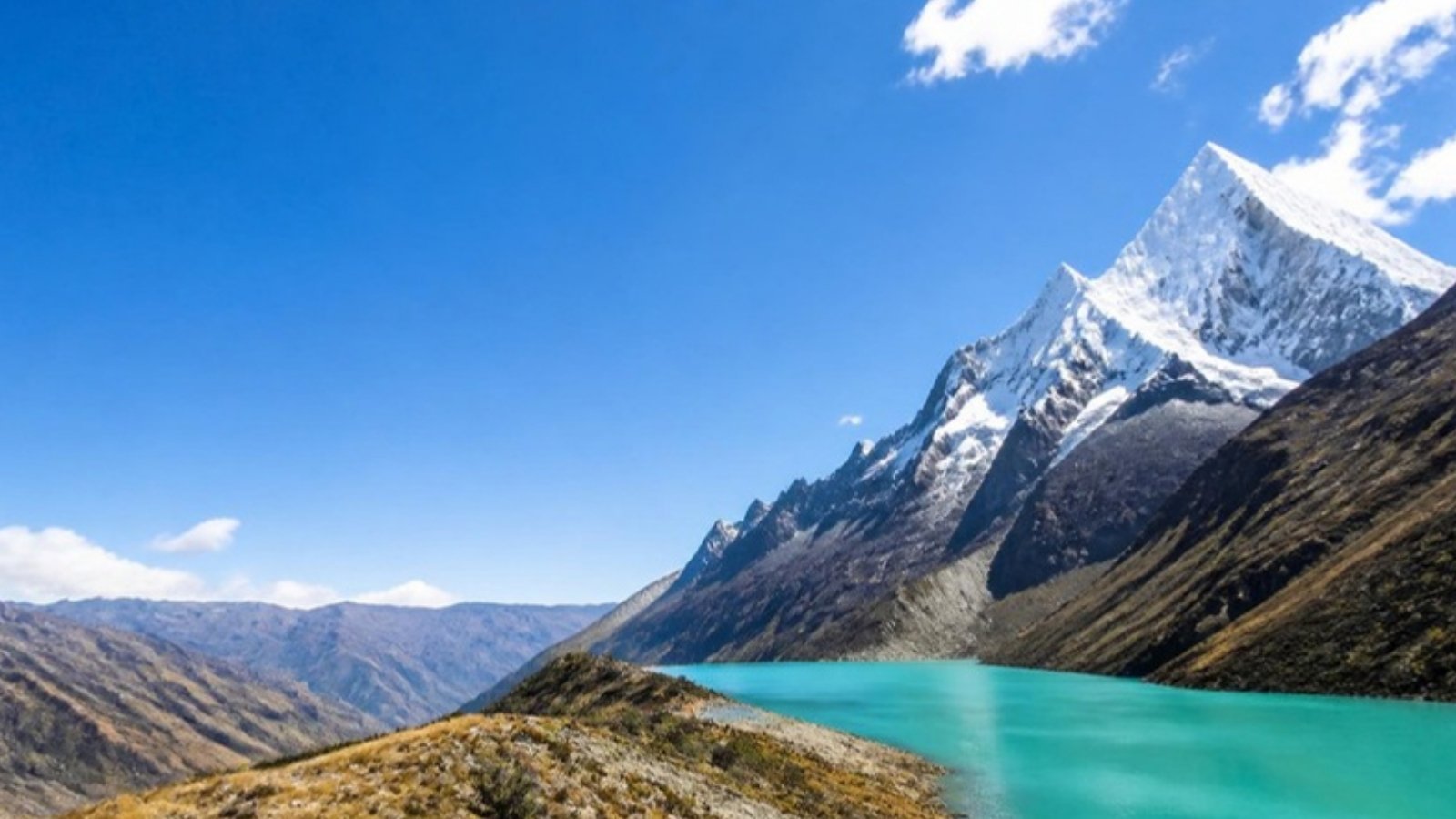
    • Llanganuco Lakes: they love the color of the water and the short walks. Dress warmly.
    • Campo Santo de Yungay: a calm place with gardens, ideal for a short walk and a talk about history.
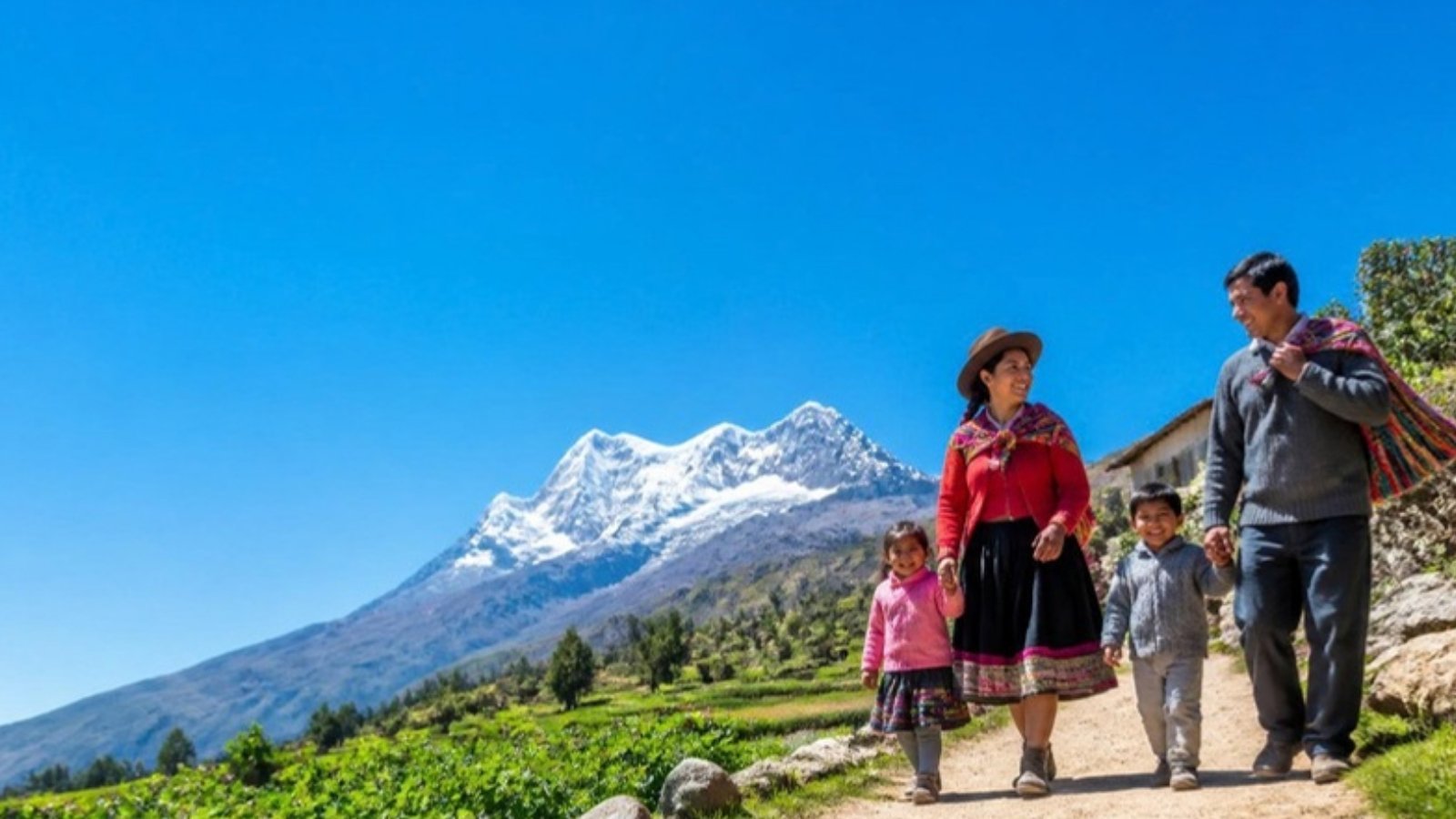
    • Country life: animals, farms and open landscapes are a whole new world for city kids.
    • Sweets in Caraz and ice cream in Carhuaz: perfect rewards after a day out.
    • Stargazing: away from city lights, the night sky is spectacular.

    Food and water

    • Drink bottled or boiled water.
    • Try local food gradually, especially in the first days.
    • A place with a kitchen lets you prepare simple meals for little ones.

    Choosing the right place to stay

    • Space: so everyone is comfortable.
    • A kitchen: for meals and snacks.
    • Outdoor areas: for kids to play.
    • Quiet: to rest well.
    • A good location: close to the main sights.

    FAQ

    From what age can kids travel to the Andes?

    Many families travel with children of all ages. If you’re traveling with babies or kids with a health condition, consult your pediatrician first.

    What if my child feels unwell from the altitude?

    Have them rest, drink water and avoid exertion. If symptoms are strong or don’t improve, seek medical care and consider going down to a lower altitude.

    How long does it take to adjust?

    It varies, but the first one or two days are the most important to take it easy.

    Is it cold in the Áncash Andes?

    Days are usually mild, but nights and early mornings are cold. Pack warm clothes.

    Huaraz or Mancos with kids?

    Mancos is quieter, lower than Huaraz and centrally located for visiting Yungay and Llanganuco.

    Conclusion

    Traveling to the Peruvian Andes with kids is amazing when you take it slow: gradual adjustment to the altitude, the right clothes, well-planned days and a comfortable place to stay. That way the whole family enjoys it and wants to come back.

    Traveling with kids? Alex’s House, our country house in Mancos, has room for the whole family, a kitchen and countryside calm, minutes from Yungay and Llanganuco.

    Book your stay

    The Alex’s House team

  • Best time to visit Huaraz and the Callejón de Huaylas: month-by-month guide

    Best time to visit Huaraz and the Callejón de Huaylas: month-by-month guide

    Picking the right dates makes a big difference on a trip to the Callejón de Huaylas, the valley below Peru’s Cordillera Blanca. Some months you’ll see Huascarán almost every day; others, the landscape is greener but afternoons bring rain. No season is “bad”, but each has its pros.

    In this guide we explain the best time to visit Huaraz and the Callejón de Huaylas, what to expect in each season and what we recommend for families.

    The two seasons

    The Áncash highlands have two main seasons: dry and rainy. Exact dates vary a little each year.

    Season Approximate months What to expect
    Dry May to September Clear skies, sunny days, cold nights. High season.
    Shoulder April, October, November Changeable weather, some rain, fewer visitors.
    Rainy December to March Frequent rain, very green landscapes, fewer tourists.

    Dry season (May to September)

    Pros

    • More clear days to see the peaks and lakes.
    • Roads and trails in better condition.
    • Ideal for photos and outdoor activities.

    Cons

    • High season: more visitors, so book ahead.
    • Nights and early mornings are cold.

    Best for

    Families who want to make the most of the lakes, like Llanganuco, with a better chance of good weather.

    Rainy season (December to March)

    Pros

    • Lush green landscapes and blooming fields.
    • Fewer tourists and more tranquility.

    Cons

    • Frequent rain, especially in the afternoons.
    • Peaks are often covered by clouds.
    • Some roads can get tricky.

    Best for

    Families who want to relax in the countryside, enjoy nature and do short outings in the mornings, which tend to be clearer.

    Shoulder months (April, October, November)

    A great choice if you want balance: fewer people than in high season and decent weather. Expect some rain, but also many beautiful days.

    Month by month

    • January and February: the rainiest months. Green and quiet.
    • March: still rainy, easing toward the end of the month.
    • April: transition. Green fields and more sunny days.
    • May: start of the dry season. A great month to visit.
    • June and July: high season, clear skies, cold nights. Book early.
    • August: good weather, windier in some areas.
    • September: end of the dry season, still good weather.
    • October and November: transition. Some rain, fewer visitors.
    • December: start of the rainy season. Holiday time with family.

    Festivals

    The valley celebrates religious festivals and town fiestas throughout the year, such as Holy Week and each town’s patron saint day. They’re a great way to experience local culture, but expect more people and book earlier. Check each town’s calendar before traveling, as dates change.

    What to pack by season

    Dry season

    • Light clothes for the day and warm layers for the night.
    • Sunscreen, cap and sunglasses.

    Rainy season

    • A waterproof jacket or rain poncho.
    • Shoes that can handle water.
    • A change of clothes for outings.

    Any time of year: pack layers, because temperatures change a lot between day and night.

    Best time for families

    • To see peaks and lakes with good weather: May to September.
    • For tranquility and green scenery: December to April.
    • For a balance of weather and availability: May, September or October.

    FAQ

    Does it rain all day in the rainy season?

    Not always. Mornings are often clear, with rain in the afternoon or evening.

    Is it cold in the Callejón de Huaylas?

    Days are usually mild and sunny, but nights and early mornings are cold, especially in the dry season.

    Can I visit Llanganuco in the rainy season?

    Yes, although clouds may cover the peaks. Go early in the morning.

    How far in advance should I book?

    For high season and long holiday weekends, book several weeks ahead.

    Why stay in Mancos?

    For its central location between Huaraz and Caraz, its tranquility and its proximity to Yungay and Llanganuco.

    Conclusion

    There’s no single best time to visit: the dry season is ideal for clear views, and the rainy season for green landscapes and calm. Choose based on what your family wants to experience, and book early in high season.

    Got your dates? Alex’s House, our country house in Mancos, welcomes families all year round with room for everyone and views of Huascarán.

    Book your stay

    The Alex’s House team

  • Campo Santo de Yungay: history and visitor guide

    Campo Santo de Yungay: history and visitor guide

    Few places in Peru are as moving as the Campo Santo de Yungay. Surrounded by gardens, with Huascarán in the background, it’s a memorial to the town that disappeared in 1970. Visiting is a calm, emotional experience and key to understanding the history of the Callejón de Huaylas.

    In this guide we cover the history of the Campo Santo de Yungay, what you can see, how to get there from Mancos and some tips to make your visit, alone or with family, respectful and meaningful.

    The history: May 31, 1970

    On May 31, 1970, a powerful earthquake struck the Áncash region. The shaking broke loose a huge mass of ice and rock from Huascarán, which rushed down the valley and buried the town of Yungay within minutes.

    The disaster took thousands of lives and changed the region forever. Today, the site of the old town is a cemetery and memorial park. The new Yungay was rebuilt a short distance away.

    That’s why the Campo Santo is more than a tourist attraction: it’s a place of remembrance for many families. Visiting with respect is part of the experience.

    What to see

    The palm trees of the old main square

    A few palm trees from the old Plaza de Armas are still standing. They’re one of the site’s best-known symbols and help you picture where the town center used to be.

    Remains of the old church

    Parts of the church façade remain, giving a sense of the scale of what happened.

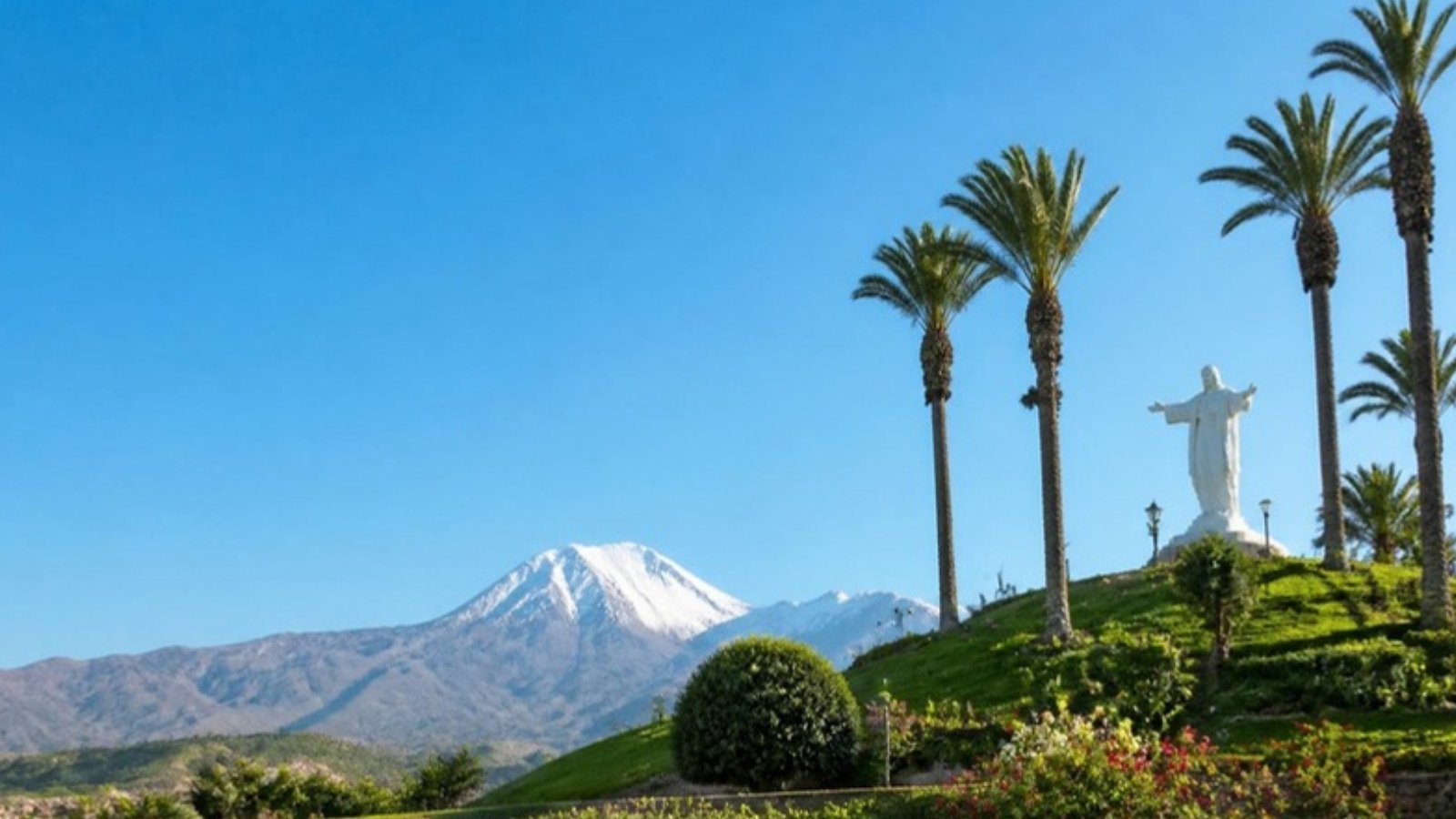
    The Christ statue

    At the top of the old cemetery stands a statue of Christ. From there you get one of the best views of the site and the mountains.

    Gardens and monuments

    The site is covered with gardens and monuments in memory of the victims. It’s a quiet place, best explored slowly.

    Views of Huascarán

    On clear days, Peru’s highest mountain looks imposing, especially once you know the story of this place.

    How to get there from Mancos

    The Campo Santo is very close to Mancos, just a few minutes by car along the road between Huaraz and Caraz. You can also take a shared van toward Yungay and ask to be dropped off at the entrance.

    Because it’s so close, it’s an ideal visit for your first afternoon while you’re still adjusting to the altitude.

    Tips for your visit

    • Be respectful: it’s a memorial. Keep your voice down and don’t climb on monuments or graves.
    • Allow time: one to two hours is enough to explore calmly.
    • Go in the morning or late afternoon: softer light and better chances of seeing the peak.
    • Bring a jacket and sunscreen: the sun is strong and the wind can be cold.
    • Wear comfortable shoes: there are paths and some stairs.
    • Check opening hours and fees: they may change with the season.

    Talking about this place with kids

    • Explain simply that a natural disaster happened many years ago and that this place helps people remember.
    • Focus on how the community recovered and built a new town.
    • Invite them to walk quietly and observe the gardens and the mountain.

    What else to do nearby

    • New Yungay: the rebuilt town, with its square and market.
    • Llanganuco Lakes: the road starts in Yungay and climbs into Huascarán National Park.
    • Mancos: a peaceful town at the foot of Huascarán, perfect for resting.
    • Caraz: further north, famous for its sweets.

    FAQ

    What happened in Yungay in 1970?

    An earthquake caused ice and rock to break off Huascarán, burying the town of Yungay. Today the site is a cemetery and memorial.

    How long does a visit take?

    One to two hours to walk around calmly.

    Is it appropriate to visit with children?

    Yes, with an age-appropriate explanation. It’s a calm place full of gardens.

    Is it close to Mancos?

    Yes, just a few minutes by car.

    Is there an entrance fee?

    There may be a small fee. Ask on site, as prices and hours can change.

    Conclusion

    The Campo Santo de Yungay is a must in the Callejón de Huaylas. More than a sight, it’s a place to remember, reflect and appreciate the power of nature and the resilience of its people.

    Want to explore Yungay at your own pace? Alex’s House, our country house in Mancos, is minutes from the Campo Santo and the road to Llanganuco. A peaceful place for families to rest after each day out.

    Book your stay

    The Alex’s House team

  • Cordillera Blanca with kids: a 3-day family itinerary from Mancos, Peru

    Cordillera Blanca with kids: a 3-day family itinerary from Mancos, Peru

    The Callejón de Huaylas, the valley between Peru’s Cordillera Blanca and Cordillera Negra, is one of the most beautiful places in the country to travel as a family: snowcapped peaks, turquoise lakes, quiet Andean villages and a lot of history. But when you travel with kids, grandparents or a big group, your itinerary needs to be different from a backpacker’s. Fewer rushes, more breaks, and activities everyone can enjoy.

    In this guide we share a 3-day family itinerary through the Callejón de Huaylas, using Mancos, in the province of Yungay, as your base. It’s a practical location: you’re at the foot of Huascarán, close to Yungay and the road to Llanganuco, and away from city noise.

    Why Mancos is a good base

    • Central location: between Huaraz and Caraz, with easy access to the main sights.
    • Peace and quiet: a small town, ideal for resting after each outing.
    • Lower than Huaraz: Mancos sits at a lower altitude, which helps the family adjust during the first days.
    • Room for groups: a country house keeps the whole family together, with a kitchen and shared spaces that hotels rarely offer.

    Day 1: arrival, rest and a walk around Mancos and Yungay

    The first day is for arriving and adjusting to the altitude. Even if you want to do everything, start slowly.

    Arrival and rest

    After the trip, settle in, have an easy lunch and rest. Drink plenty of water and avoid heavy meals.

    Afternoon: a stroll around Mancos

    A short walk around town is perfect to stretch your legs, get a feel for local life and see Huascarán if the sky is clear.

    Sunset: Campo Santo de Yungay

    A few minutes from Mancos is the Campo Santo de Yungay, the place where the old town was buried after the 1970 earthquake and avalanche. Today it’s a memorial with gardens and mountain views. It’s a calm, meaningful visit and a good opportunity to talk about local history as a family.

    Tip: bring a jacket. In the Andes, temperatures drop fast after sunset.

    Day 2: Llanganuco Lakes

    The Llanganuco Lakes, Chinancocha and Orconcocha, are inside Huascarán National Park and are a family favorite. The road climbs between towering peaks, and the color of the water amazes adults and kids alike.

    What to do

    • Walk the short trails along Chinancocha lake.
    • Take a rowboat ride (when available).
    • Take photos with the glaciers in the background.
    • Have a picnic in permitted areas.

    Tips for visiting with kids

    • Leave early: mornings are usually clearer.
    • Dress everyone warmly: it’s colder than in Mancos because of the altitude.
    • Bring snacks and water: there are few services inside the park.
    • Sunscreen and hats: the high-altitude sun is strong even when it’s cold.
    • Don’t push too hard: the lakes are higher up. Walk slowly and rest if anyone feels tired.

    If there are experienced hikers in your group, the Laguna 69 trek starts on the same road, but it’s a demanding full-day hike and not recommended for young children.

    Afternoon: back to rest

    Head back to Mancos with time to rest, cook together and enjoy a quiet night in the countryside.

    Day 3: Caraz or Carhuaz and hot springs

    Option A: Caraz, the “sweet town”

    Caraz is a relaxed town known for its sweets and manjar blanco. Its main square is perfect for a stroll and a dessert stop. An easy plan for your last day.

    Option B: Carhuaz and hot springs

    To the south, Carhuaz is known for its homemade ice cream. There are also hot springs in the area, a great way to relax after a few days of sightseeing. Check opening hours and recommendations before you go, especially with babies or older relatives.

    When to visit as a family

    • Dry season (roughly May to September): more clear days, ideal for lakes and views. It’s high season, so book ahead.
    • Rainy season (roughly December to March): very green landscapes and fewer visitors, but rain can affect roads and views.
    • Shoulder months: April, October and November can be a good option with fewer people.

    What to pack for a family trip

    • Layers: T-shirts, sweaters and a windbreaker.
    • Hat, gloves and something warm for the evenings.
    • Sunscreen, sunglasses and a cap.
    • Comfortable sneakers or hiking shoes.
    • A basic first-aid kit and everyone’s usual medication.
    • Reusable water bottles and snacks.
    • Cash: rural areas don’t always accept cards.

    Tips for adjusting to the altitude

    1. Take the first day easy.
    2. Drink plenty of water and avoid alcohol for the first few days.
    3. Eat light meals, especially at night.
    4. Try coca or muña tea if you like it.
    5. If anyone in the family has a health condition, check with their doctor before traveling.

    FAQ

    Is the Callejón de Huaylas safe for kids?

    Yes, it’s a popular destination for families. The key is to travel at a relaxed pace, dress warmly and not push kids too hard at high altitude.

    How many days do I need?

    Three days is enough to see the highlights comfortably. With more time, you can add other lakes and villages.

    Are the Llanganuco Lakes suitable for children?

    Yes. There are easy-access areas near Chinancocha lake. Just keep the cold and altitude in mind.

    How do we get around?

    A private car, driver or tour is the most comfortable option. Shared vans run between towns, but they are less practical with kids and luggage.

    Why stay in Mancos instead of Huaraz?

    Mancos is quieter, closer to Yungay and Llanganuco, and lets you enjoy the countryside and Huascarán views without city traffic.

    Conclusion

    The Callejón de Huaylas is perfect for making family memories: stunning landscapes, history and quality time together. With a relaxed itinerary and a good base, you’ll enjoy the trip much more.

    Planning a family trip? Alex’s House, our country house in Mancos, has room for the whole group, views of Huascarán and countryside calm, minutes from Yungay and Llanganuco.

    Book your stay

    The Alex’s House team