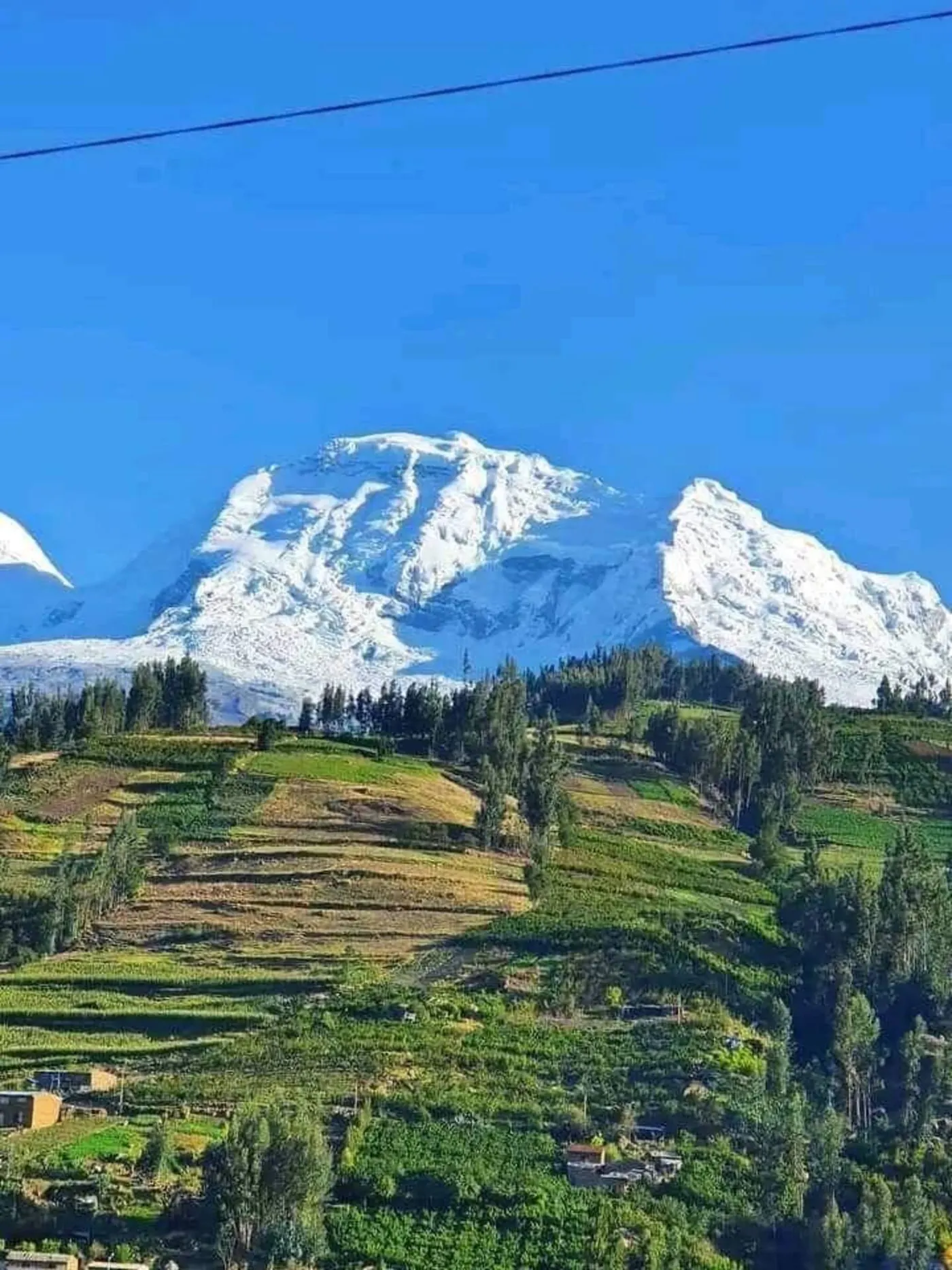
Autor: rodmaguiperu

  • Llanganuco Lakes and Laguna 69: How to Visit from Yungay and Mancos

    Llanganuco Lakes and Laguna 69: How to Visit from Yungay and Mancos

    The Llanganuco Lakes and Laguna 69 are among the most photographed landscapes in Peru. Both lie inside Huascarán National Park, a UNESCO World Heritage Site, and are reached from Yungay. If you stay in Mancos, they’re right on your doorstep.

    The Llanganuco Lakes

    Chinancocha and Orconcocha are two lakes in the Llanganuco valley, between the Huascarán and Huandoy peaks. They sit at about 3,850 m (12,600 ft) and you can drive there from Yungay, so no long hike is needed to see them. The color of the water shifts with the light, so go in the morning.

    Laguna 69

    This is the most popular day hike in the Cordillera Blanca. The trail starts at Cebollapampa, in the same Llanganuco valley, and climbs to a turquoise lake at about 4,600 m (15,100 ft), at the foot of Chacraraju. The ascent takes around three hours, and the round trip fills most of the day.
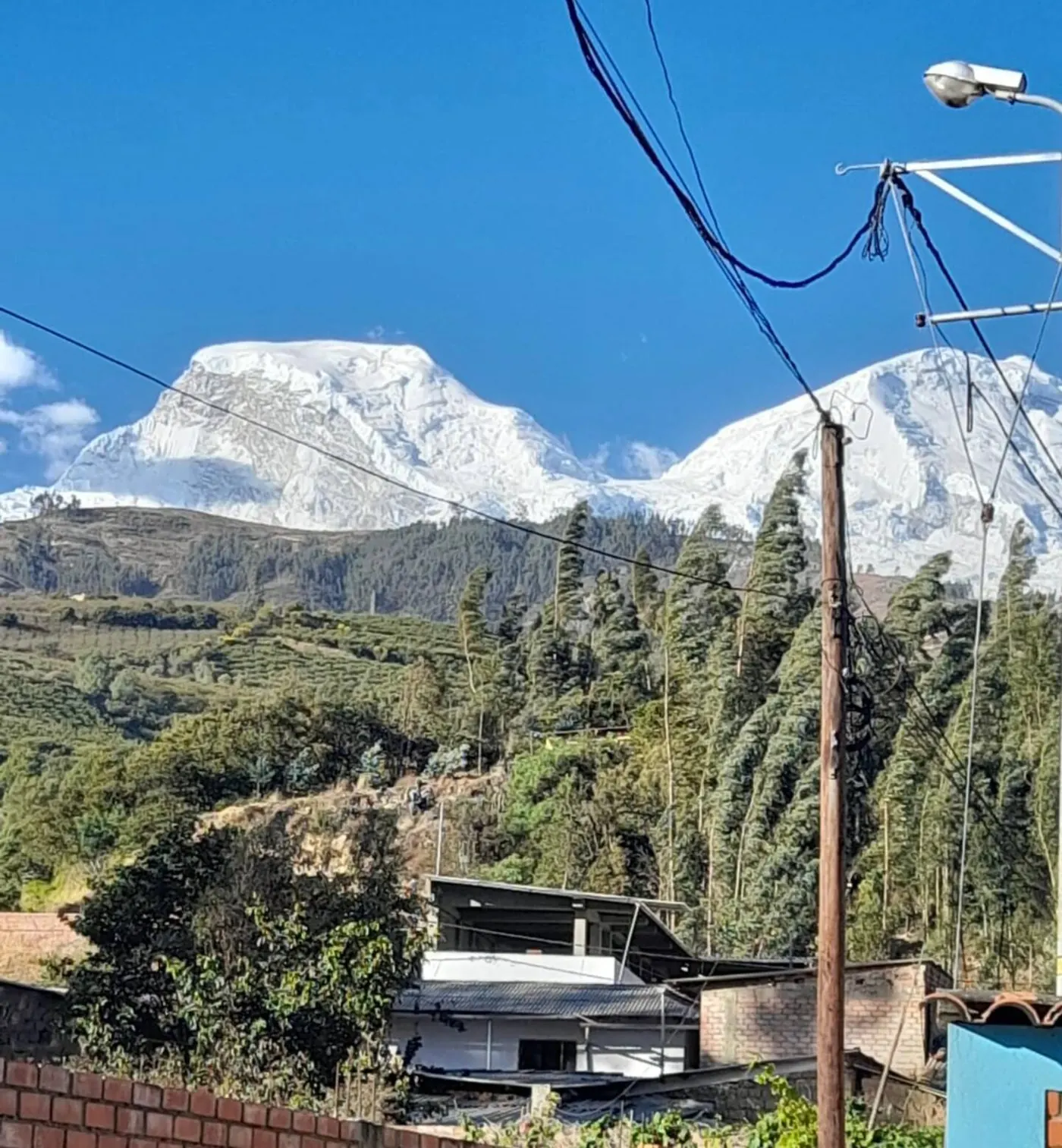
    Snow-capped peaks seen from near the house

    Before you go

    • Acclimatize for at least two or three days in the area before attempting it.
    • Start very early: the weather often changes after midday.
    • Bring water, snacks, a waterproof jacket, a hat and sunscreen.
    • Walk at your own pace and turn back if you feel severe dizziness or a strong headache.
    • There is an entrance fee for the national park; check the current rate before you go.

    Getting there from Mancos

    Most tours to Llanganuco and Laguna 69 leave from Huaraz and drive along the highway past Mancos on their way to Yungay. From Yungay, the road climbs up the valley to the lakes. Staying in Mancos saves you a good chunk of the journey both ways. Message us and we’ll help you figure out how to arrange your trip.

    When to go

    The dry season, from May to September, brings clearer skies and is the best time for hiking. From December to March it rains more often, but the valley is at its greenest.

    First time in the area? Read our guide to things to do in Mancos.

    Looking for a place to stay in Mancos?

    Alex’s House is a family-run country house with a garden, an equipped kitchen and room for up to 10 guests, right at the foot of Huascarán.
  • Things to Do in Mancos, Peru: A First-Timer’s Guide to the Foot of Huascarán

    Things to Do in Mancos, Peru: A First-Timer’s Guide to the Foot of Huascarán

    Mancos is a traditional town in Yungay province, in Peru’s Áncash region, right in the Callejón de Huaylas: the valley that runs between the glaciated Cordillera Blanca and the Cordillera Negra. From its streets you can see Huascarán, Peru’s highest mountain at 6,768 m (22,205 ft). It’s quiet, agricultural and perfectly placed for exploring the area away from the pace of the city.

    Where is Mancos?

    Mancos sits on the highway that links Huaraz with Yungay and Caraz, on the banks of the Santa River. Most travelers reach Huaraz by long-distance bus from Lima; from Huaraz, Mancos is about an hour away by car or colectivo (shared minivan), and Yungay is just up the road. The town sits at around 2,500 m (8,200 ft), a comfortable altitude to start acclimatizing before heading up to the lakes.

    1. Stroll the main square and church

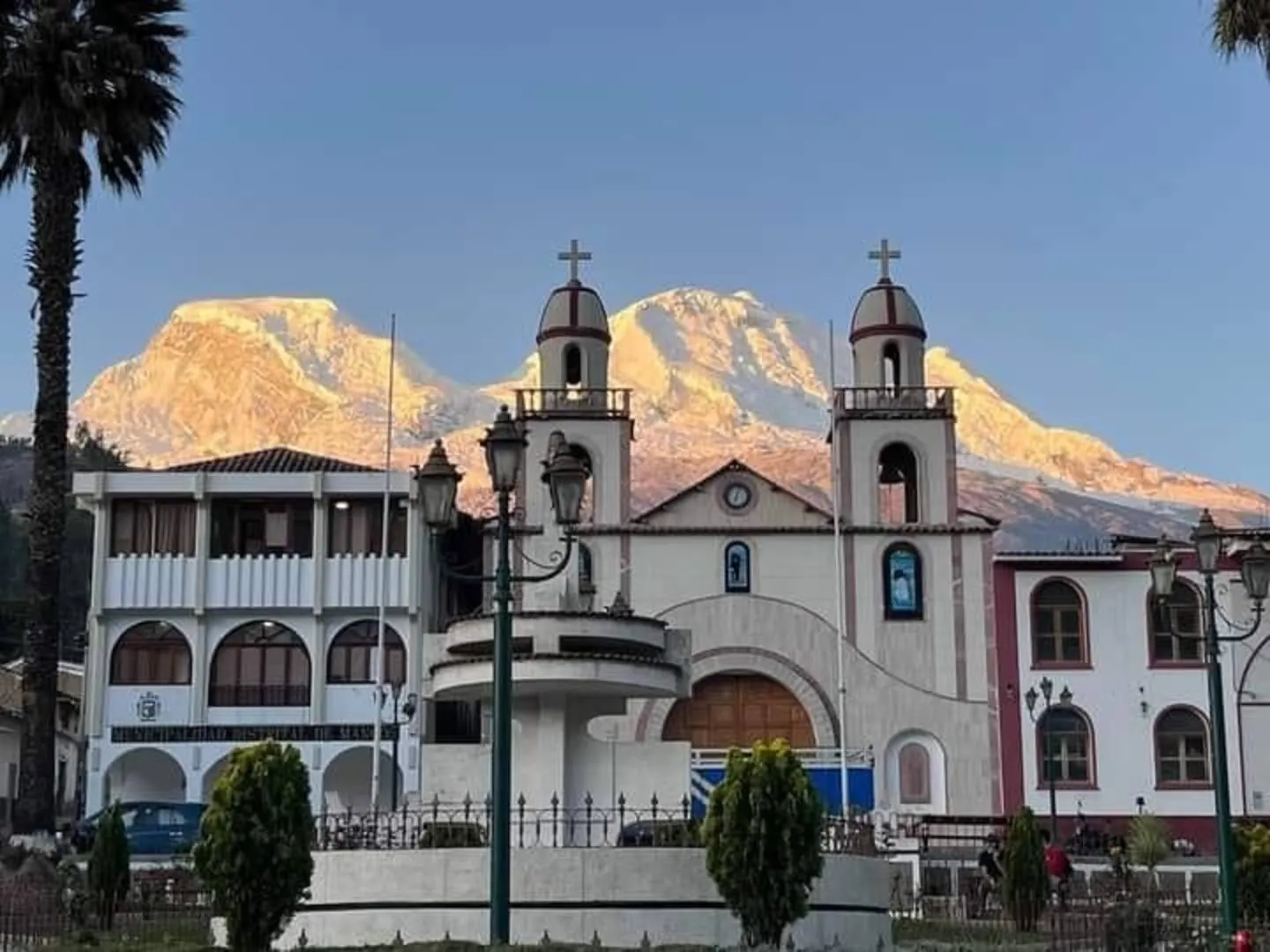
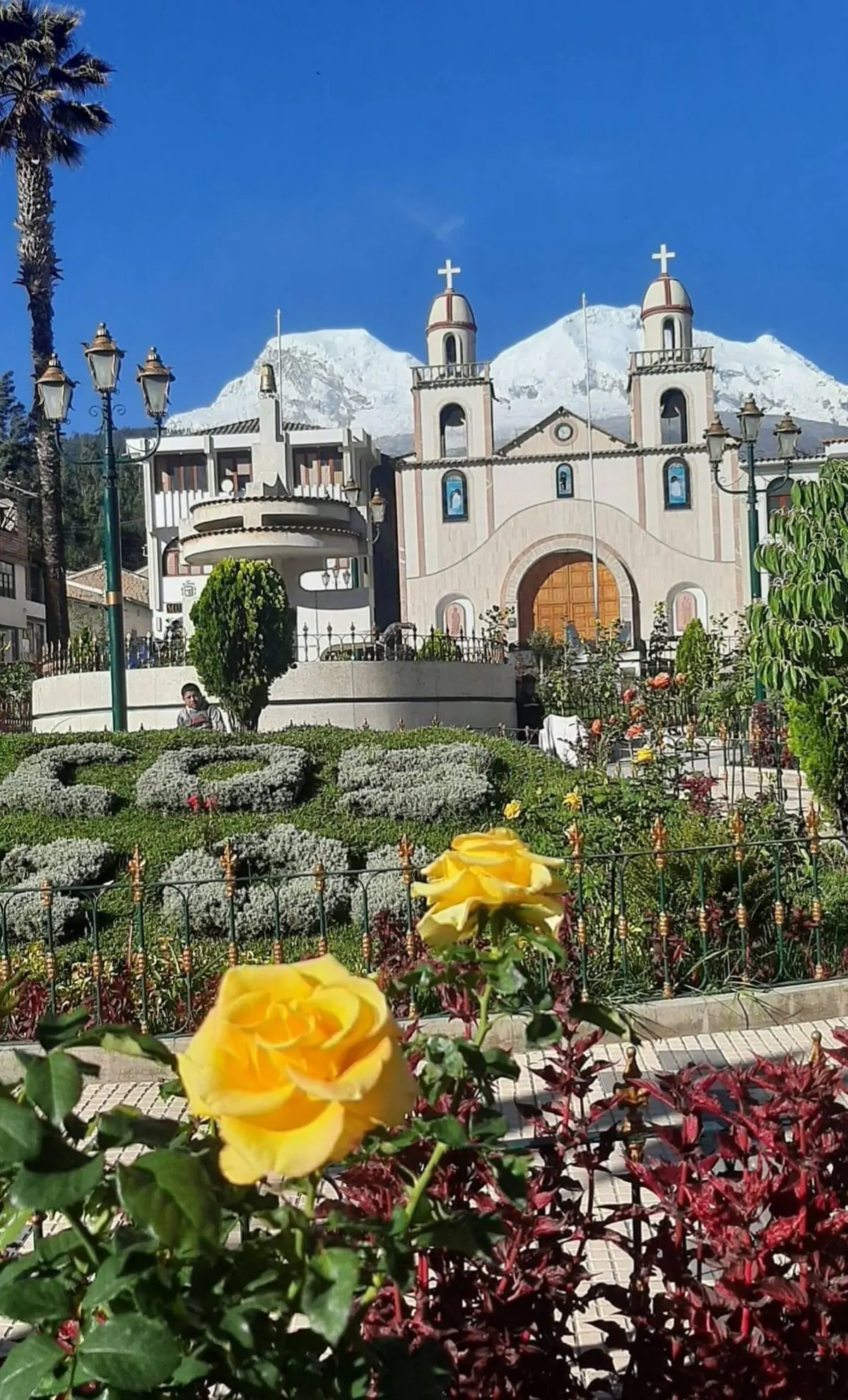
    The plaza is the heart of town life. At sunset, the light on the church with Huascarán behind it is one of the best views in the valley. Take your time: people here say hello.

    Mancos main square with roses and the church behind

    2. Walk down to the Santa River

    The Santa River runs close to town and you can walk there through farm fields. It’s a lovely morning outing, when skies tend to be clearer and the peaks look sharpest.

    3. Try the local food

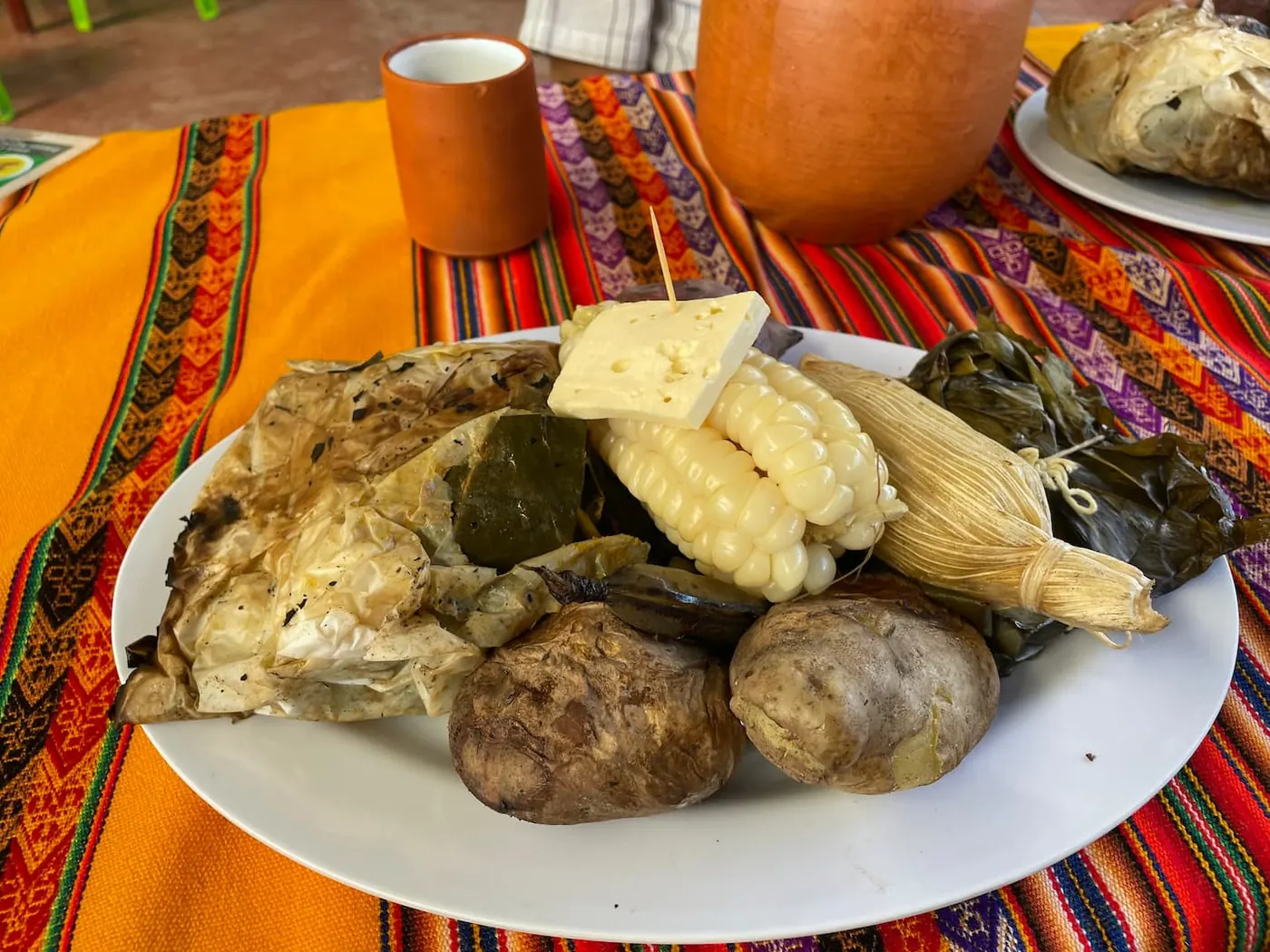
    Mancos lives off farming and livestock, and you can taste it: native potatoes, corn, fava beans and fresh produce from the fields. Ask about the dish of the day; the best recommendations always come from the neighbors.

    Plate of Andean food with potatoes, corn and humitas

    4. Use Mancos as your base for the lakes

    From Mancos you’re close to some of the most iconic landscapes of the Cordillera Blanca: the Llanganuco Lakes, the Laguna 69 hike and Huascarán National Park. Many tours from Huaraz to the lakes pass through here, which can save you hours on the road. We cover it in detail in our guide to Llanganuco and Laguna 69.

    5. Visit Yungay and its Campo Santo

    Yungay is just a few minutes away. Its Campo Santo honors the victims of the 1970 earthquake and avalanche that buried the old town. It’s a place of remembrance, so visit respectfully and take your time.

    Tips for your visit

    • Pack layers: days are sunny and nights are cold.
    • Wear sunscreen and sunglasses; the sun is strong at this altitude.
    • Take your first day easy to acclimatize before going higher.
    • Carry cash in soles: small towns don’t always take cards.

    Looking for a place to stay in Mancos?

    Alex’s House is a family-run country house with a garden, an equipped kitchen and room for up to 10 guests, right at the foot of Huascarán.
  • Lagunas de Llanganuco y Laguna 69: cómo visitarlas desde Yungay y Mancos

    Lagunas de Llanganuco y Laguna 69: cómo visitarlas desde Yungay y Mancos

    Las lagunas de Llanganuco y la Laguna 69 están entre los paisajes más fotografiados del Perú. Ambas se encuentran dentro del Parque Nacional Huascarán, declarado Patrimonio Natural de la Humanidad por la UNESCO, y se visitan desde Yungay. Si te quedas en Mancos, las tienes muy cerca.

    Lagunas de Llanganuco

    Son dos lagunas, Chinancocha y Orconcocha, en la quebrada de Llanganuco, entre los nevados Huascarán y Huandoy. Están a unos 3850 metros de altura y se llega por carretera desde Yungay, así que no necesitas caminar mucho para verlas. El color del agua cambia con la luz: ve en la mañana.

    Laguna 69

    Es la caminata más popular de la Cordillera Blanca. El sendero empieza en Cebollapampa, dentro de la misma quebrada de Llanganuco, y sube hasta una laguna turquesa a unos 4600 metros, al pie del nevado Chacraraju. La subida toma alrededor de tres horas y el recorrido completo ocupa casi todo el día.

    Vista de los nevados desde los alrededores de la casa

    Antes de intentarlo

    • Aclimátate al menos dos o tres días en la zona antes de subir.
    • Sal muy temprano: el clima suele cambiar después del mediodía.
    • Lleva agua, algo de comer, casaca impermeable, gorro y bloqueador.
    • Camina a tu ritmo y regresa si sientes mareo fuerte o dolor de cabeza intenso.
    • El ingreso al parque es pagado; confirma la tarifa vigente antes de ir.

    Cómo llegar desde Mancos

    La mayoría de tours hacia Llanganuco y la Laguna 69 sale de Huaraz y pasa por la carretera frente a Mancos, rumbo a Yungay. Desde Yungay, la ruta sube por la quebrada hasta las lagunas. Si te quedas en Mancos, ahorras buena parte del viaje de ida y de vuelta. Escríbenos y te contamos cómo coordinar tu recorrido.

    Cuándo ir

    La temporada seca, de mayo a septiembre, trae cielos más despejados y es la mejor época para caminar. De diciembre a marzo llueve con más frecuencia, pero el valle está más verde.

    ¿Es tu primera vez en la zona? Revisa también qué hacer en Mancos.

    ¿Buscas dónde quedarte en Mancos?

    Alex’s House es una casa de campo familiar con jardín, cocina equipada y espacio para hasta 10 personas, a los pies del Huascarán.

  • Qué hacer en Mancos: guía para tu primera visita al pie del Huascarán

    Qué hacer en Mancos: guía para tu primera visita al pie del Huascarán

    Mancos es un pueblo tradicional de la provincia de Yungay, en Áncash, ubicado en pleno Callejón de Huaylas: el valle que corre entre la Cordillera Blanca y la Cordillera Negra. Desde sus calles se ve el Huascarán, la montaña más alta del Perú. Es un lugar tranquilo, agrícola y muy bien ubicado para explorar la zona sin el ritmo de la ciudad.

    Dónde está Mancos

    Mancos está sobre la carretera que une Huaraz con Yungay y Caraz, a orillas del río Santa. Desde Huaraz se llega en aproximadamente una hora en auto o en colectivo, y Yungay queda muy cerca. El pueblo está a unos 2500 metros de altura, una altitud cómoda para empezar a aclimatarte antes de subir a las lagunas.

    1. Recorre la plaza y la iglesia

    La plaza de Mancos es el centro de la vida del pueblo. Al atardecer, la luz sobre la iglesia con el Huascarán detrás es una de las mejores vistas del valle. Ven con calma: aquí la gente saluda.

    Plaza de Mancos con rosas y la iglesia al fondo

    2. Camina hasta el río Santa

    El río Santa pasa muy cerca del pueblo y se llega caminando entre chacras. Es un buen paseo para la mañana, cuando el cielo suele estar más despejado y los nevados se ven nítidos.

    3. Prueba la comida de la zona

    En Mancos se vive de la agricultura y la ganadería, y eso se nota en la mesa: papas nativas, choclo, habas y productos del campo. Pregunta por los platos del día; la mejor recomendación siempre viene de los vecinos.

    Plato de comida andina con papas, choclo y humitas

    4. Usa Mancos como base para las lagunas

    Desde Mancos tienes a mano algunos de los paisajes más conocidos de la Cordillera Blanca: las lagunas de Llanganuco, la caminata a la Laguna 69 y el Parque Nacional Huascarán. Muchos tours que salen de Huaraz hacia las lagunas pasan por aquí, así que te ahorras horas de traslado. Te lo contamos en detalle en nuestra guía de Llanganuco y la Laguna 69.

    5. Visita Yungay y su Campo Santo

    A pocos minutos está Yungay. Su Campo Santo recuerda a las víctimas del terremoto y el aluvión de 1970, que sepultó la antigua ciudad. Es un lugar de memoria: visítalo con respeto y tómate tu tiempo.

    Consejos para tu visita

    • Lleva ropa por capas: los días son soleados y las noches, frías.
    • Usa bloqueador y lentes de sol; a esta altura el sol pega fuerte.
    • Toma tu primer día con calma para aclimatarte antes de subir más alto.
    • Lleva efectivo: en los pueblos no siempre se puede pagar con tarjeta.

    ¿Buscas dónde quedarte en Mancos?

    Alex’s House es una casa de campo familiar con jardín, cocina equipada y espacio para hasta 10 personas, a los pies del Huascarán.